Cruise Packing Checklist
Packing for a cruise is a little different from packing for a regular trip — you have formal nights, pool days, shore excursions, and a cabin with clever-but-limited storage. Here is how we pack for our own sailings so you arrive relaxed with everything you need and nothing you do not.
Cruise Packing Checklist
Packing for a cruise is a little different from packing for a regular trip — you have formal nights, pool days, shore excursions, and a cabin with clever-but-limited storage. Here is how we pack for our own sailings so you arrive relaxed with everything you need and nothing you do not.
1. Cruise Packing Basics
The golden rule of cruise packing is simple: pack light and think in outfits, not piles. Cruise cabins are smaller than hotel rooms, and storage is limited. You will spend most of your time out and about — at the pool, dining, exploring ports, or enjoying entertainment — so you do not need as much as you think.
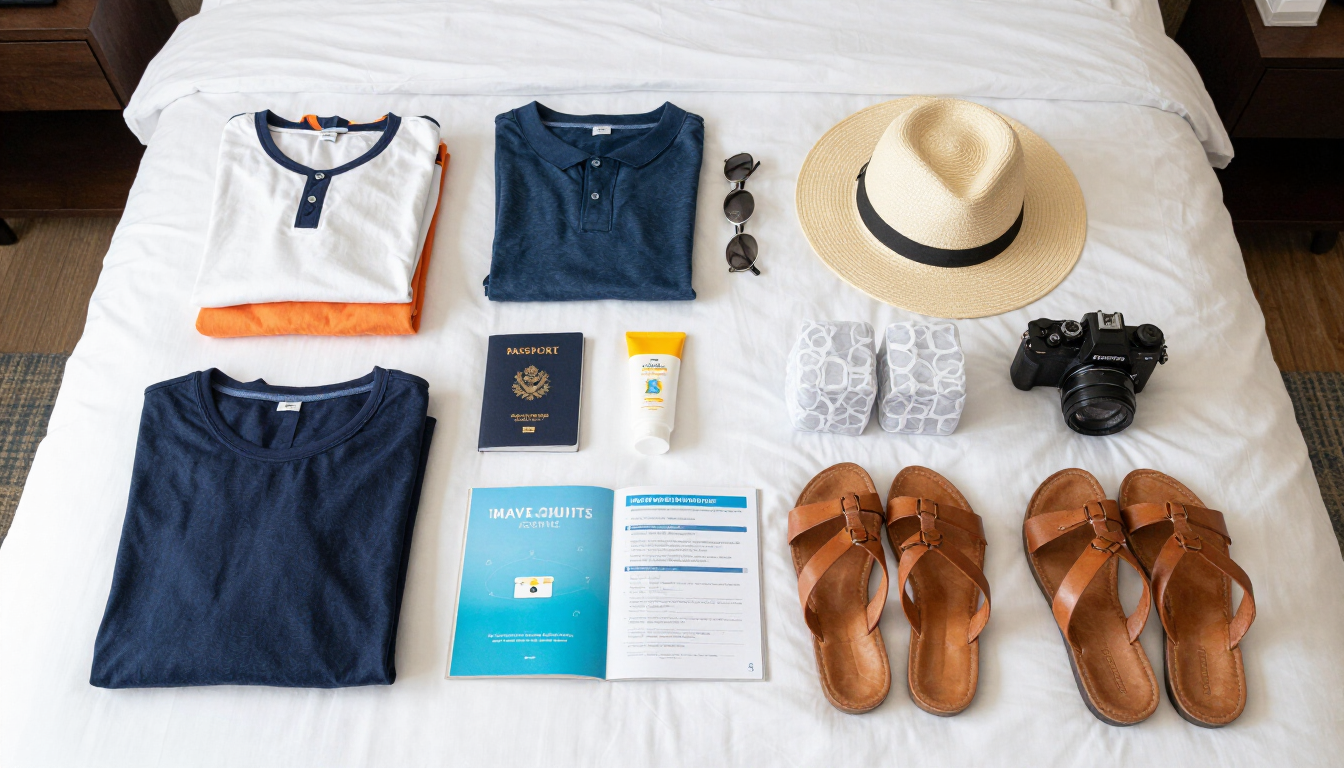
Choose a neutral color palette (navy, white, beige, gray) so everything mixes and match. This way, you can create multiple outfits from fewer pieces. Roll your clothes instead of folding them to save space and reduce wrinkles. Packing cubes are a game-changer for keeping a small cabin organized.
Most cruise lines allow one or two checked bags per person, plus a carry-on. Check your specific cruise line's baggage policy before you pack, as limits vary.
2. Documents to Bring
Your travel documents are the most important items you will pack. Do not leave home without them. Most cruises require a government-issued photo ID at minimum, but many require a passport, especially for international ports or if you might need to fly home unexpectedly.
Bring originals, not copies. Keep your passport, cruise documents, travel insurance papers, and any visas in a waterproof pouch in your carry-on. Some travelers also bring a photocopy of their passport stored separately, just in case.
If you are traveling with children, bring their birth certificates or passports. Double-check your specific itinerary's document requirements well before your sail date, since rules vary by cruise line and destination.
3. What to Pack in Your Carry-On
Your carry-on bag is your lifeline on embarkation day. Checked luggage may not reach your cabin until dinnertime, so pack anything you will need that first afternoon in your carry-on.
Essential carry-on items: travel documents (passport, cruise documents, ID), medications and prescriptions, swimsuit, sunscreen, phone charger, change of clothes, toiletries, glasses or contacts, and any items you cannot live without for a few hours.
Also bring a light jacket or sweater — ships can be cold, and you may want something comfortable while you wait to board. A reusable water bottle is smart too, since you can fill it once onboard and stay hydrated throughout the day.
4. Clothing for Cruise Days
Pack mostly casual, comfortable clothing for daytime. Think resort wear: shorts, lightweight pants, t-shirts, tank tops, sundresses, and cover-ups. Bring 5–7 days of casual outfits, even if your cruise is longer — you can do laundry onboard or wear items more than once.
Bring comfortable walking shoes for ports and exploring. Flip-flops or sandals are perfect for the pool deck and casual dining. A pair of sneakers is smart for active excursions. Avoid shoes with thick soles that are hard to pack.
For evening casual dining, pack a few nicer outfits — a sundress, nice pants with a blouse, or a casual button-up shirt. Most nights are casual, but you will want to look a bit polished for dinner.
5. Formal Night and Dinner Outfits
Most cruises have one or two dressier 'elegant' or 'formal' nights, depending on the cruise line. Do not panic — you do not need a tuxedo or ball gown. A cocktail dress, nice pants with a dressy top, or a shirt and slacks is plenty.
For women: a knee-length or midi dress, a nice blouse with dress pants, or a skirt with a dressy top works perfectly. For men: dress pants with a button-up shirt, or a sport coat if you want to dress up more. Closed-toe shoes are typical for formal nights.
Check your cruise line's dress code before you pack. Some lines are more formal than others, and knowing what to expect helps you pack the right pieces. If you are unsure, ask your travel agent — we can tell you exactly what your specific ship expects.
6. Pool and Beach Items
Pack 2–3 swimsuits so you always have a dry one while another is drying. Bring a cover-up or lightweight shirt for the pool deck — the sun is intense on the water. A beach bag or tote is handy for carrying your pool items.
Sunscreen is essential. Bring a high SPF (at least 30) and reapply often, especially after swimming. A hat or visor protects your face and scalp. Sunglasses are a must. Bring a light scarf or sarong — it doubles as a beach cover-up and a shawl for air-conditioned dining rooms.
If you plan to snorkel or do water activities at ports, bring a rash guard or wetsuit if you prefer. Water shoes protect your feet on rocky beaches and ship decks.
7. Medications and Health Items
Bring all prescription medications in their original labeled bottles. Pack them in your carry-on, not checked luggage, in case your bags are delayed. Bring enough for the entire trip plus a few extra days, just in case.
Over-the-counter medications are smart to pack: motion sickness remedies (Dramamine, ginger, sea-bands), antacids, pain relievers, allergy medicine, cold medicine, and anti-diarrhea medication. Ships have a medical center, but it is convenient to have basics on hand.
Bring a small first-aid kit: bandages, antibiotic ointment, blister treatment, and any personal health items you use regularly. If you wear glasses or contacts, bring extras and a copy of your prescription. Sunscreen, lip balm with SPF, and moisturizer are also important.
8. Electronics and Chargers
Bring your phone, tablet, or camera to capture memories. Pack chargers for all your devices. Cabins have limited outlets, so a power strip or multi-USB charger is incredibly useful — but check your cruise line's policy first, as some restrict surge-protected strips.
A portable phone charger (power bank) is smart for days when you are exploring ports and away from your cabin. Bring a universal adapter if you are sailing internationally. Headphones are nice for relaxing on your balcony or at the gym.
Do not forget to bring your cruise documents in digital form too — save them to your phone or email them to yourself as a backup.
9. What Not to Pack
Cruise lines prohibit certain items for safety and security reasons. Do not pack weapons, explosives, or illegal items. Candles, irons, and hot plates are typically not allowed in cabins.
Avoid packing too many heavy items — luggage fees can add up if you exceed weight limits. Do not pack valuable jewelry or large amounts of cash. Use the safe in your cabin or the front desk safe for valuables.
Leave behind items you do not really need: extra shoes, heavy books (e-readers are better), full-size bottles of shampoo (bring travel sizes or buy onboard), and anything that takes up space without adding value to your trip.
10. Final Cruise Packing Tips
Make a packing list before you start. Our complimentary Cruise Vacation Planner includes a full printable packing checklist so nothing slips through the cracks. Check off items as you pack to avoid forgetting essentials.
Pack your suitcase a few days before your cruise so you have time to add anything you forgot. Leave room for souvenirs and purchases you make during your trip.
Label your luggage with your name, address, and phone number inside and out. Take a photo of your packed luggage in case you need to file a claim if anything is lost or damaged.
Arrive at the port early on embarkation day. You will have time to relax before boarding, and you will not feel rushed. Once onboard, unpack and settle into your cabin so you can enjoy the rest of your cruise without worrying about luggage.
Next steps
Want help getting ready before you sail? Use the Premier Travelers Cruise Vacation Planner.