Avoid These 10 Common Cruise Mistakes: Insider Tips from 80+ Cruises
After 80+ cruises and decades of helping families plan their vacations, here are the most expensive mistakes we see — and the simple fixes
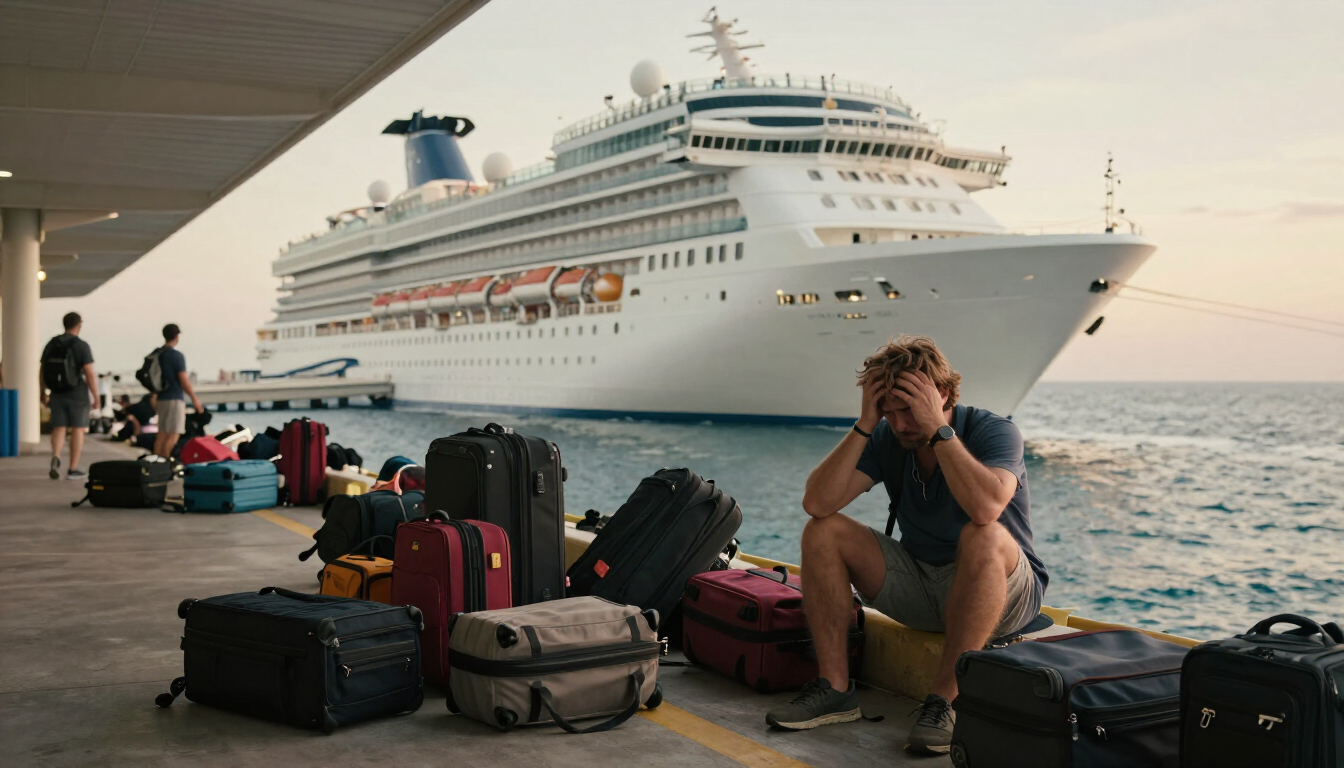
After 80+ cruises and decades of helping families plan their vacations, here are the most expensive mistakes we see — and the simple fixes
Cruising is one of the best values in travel when you plan it right. It's also one of the easiest vacations to overpay for when you don't know what you're doing. After 80+ personal sailings and more than two decades helping travelers book cruises, my wife Cindy and I have seen the same painful mistakes play out time and again — mistakes that cost families hundreds or even thousands of dollars, waste precious port time, or simply leave people with a trip that fell short of what it could have been. This post covers all 25 of them, with specific fixes for each one.
Booking Timing Mistakes
Cruise pricing is inventory-driven. The best cabins in the most desirable categories sell first, and prices rise as sailings fill up. For popular sailings — holiday cruises, Alaska season, summer Caribbean — the ideal booking window is 9 to 12 months out. Wait until 60 days before departure and you're picking from what's left, paying more for less.
Booking early is good, but only if you stay alert for price drops. Cruise lines regularly run promotions — wave season deals, flash sales, double upgrade events — that can reduce the cost or add onboard credit after you've booked. A good travel advisor watches these for you and re-fares your booking when it makes sense.
January through March is "wave season" — the period when cruise lines roll out their best promotions of the year. If your sailing is 6 to 12 months away, this is often the best time to lock in your cabin with perks like free gratuities, beverage packages, or onboard credit. We see wave season deals from every major line every year without exception.
If you're traveling with 8 or more people in at least 4 cabins, you likely qualify for a group rate — which can include a free berth (one complimentary cabin for a certain number booked), exclusive pricing, or additional onboard credit. Most travelers don't know this option exists. We negotiate group rates for families and friend groups routinely.
Cabin Selection Errors
An inside cabin near the ship's mechanical room at the bow on Deck 3 is very different from an inside cabin midship on Deck 8 — even if the price is the same. Location matters enormously: midship is smoother, centrally located cabins have less noise, and decks above the waterline feel less claustrophobic. Check the deck plan before you book, not after.
Connecting rooms share a door between cabins. If you're not the one using it, you'll hear every conversation from the neighboring family at all hours. Always check whether your cabin has a connecting door — and if it does, make sure you're the one booking both sides of it, or choose a different cabin.
Cabins directly below the pool deck, the buffet, the nightclub, or above the show lounge can be loud. Forward cabins at the very bow feel the most motion in rough seas. Aft cabins over the propellers can vibrate. A quick look at the deck plan before booking saves a week of disrupted sleep.
Financial Mistakes
Cruise lines charge automatic daily gratuities that most first-timers don't factor into their total cost. In 2025 these run $18–$22 per person per day on most mainstream lines. On a 7-night sailing for two, that's $252–$308 added to your onboard bill — not the cruise fare. Factor it in before you book, or look for promotions that include prepaid gratuities.
Beverage packages purchased before sailing are almost always 20–40% cheaper than the onboard price. If you plan to drink — even 3–4 beverages a day — the math usually favors a package. But if you're a light drinker or planning mostly port days, do the calculation honestly. Paying for a package you won't use is a common overspend.
Onboard Wi-Fi packages range from $15 to $30+ per day. Buy it before you sail — cruise lines regularly discount pre-purchased packages by 15–25% compared to the onboard rate. If Wi-Fi is included in a promotion, make sure you activate it before you board, as unclaimed perks sometimes expire.
Cruise ship currency exchange is one of the worst rates you'll find anywhere. Most Caribbean ports transact in US dollars, so this often isn't an issue — but in Europe or Asia, converting cash at the ship or in a port kiosk is expensive. Use a Charles Schwab debit card (no foreign transaction fees, ATM fees refunded) or a credit card with no foreign transaction fees instead.
Travel Insurance and Documents
This is the mistake I push back hardest on. A medical emergency at sea or in a foreign port can cost $50,000–$150,000 or more, and most domestic health insurance plans offer zero coverage outside the US. Comprehensive travel insurance covers trip cancellation, medical emergencies, medical evacuation, and missed connections — for roughly 5–8% of your trip cost. If you're not insured, you're gambling.
Cruise line insurance is often inferior to independent policies — it typically only covers cruise-related cancellations and frequently excludes pre-existing conditions. An independent policy from a company like Travel Guard, Allianz, or Seven Corners gives you broader coverage, better medical limits, and true emergency evacuation. We compare options for every client we book.
Many countries require your passport to be valid for at least six months beyond your travel dates. A passport expiring three months after your Mediterranean cruise means you're denied boarding. Check your expiration date the moment you start planning and renew if needed — current processing times can run 8–12 weeks.
Passport cards are valid for land and sea entry to Canada, Mexico, the Caribbean, and Bermuda from the US — but they're not accepted for air travel. If your itinerary includes flying to or from the ship, or if the ship is making a stop in a European or Asian port, you need a full passport book. This trips people up every single year.
Airfare and Arrival Timing
Ships do not wait. If your flight is delayed and you miss the ship, you're on your own to catch it at the next port — at your own expense. Always fly in at least one day before your cruise, stay the night near the port, and eliminate the risk entirely. The extra hotel night is far cheaper than a last-minute flight to Nassau or Cozumel to catch a ship you missed.
Cruise line air packages look convenient but are almost never the best deal. The cruise line books consolidator fares with fixed schedules — often routing you through inconvenient hubs or putting you on the first available flight home after disembarkation without time to clear customs. Book your own air for better routing, more flexibility, and the ability to earn your own frequent-flier miles.
Packing and Embarkation Mistakes
Cruise ship security scans every bag at embarkation, and prohibited items — which vary by line but typically include irons, candles, plug-in diffusers, and alcohol above a certain limit — are confiscated. More importantly, many lines prohibit bringing alcohol onboard at all; if you sneak a bottle in your checked luggage and it's found, you won't get it back until the last night. Check your cruise line's specific prohibited items list before packing.
Noon is the single busiest time at any cruise terminal. Arriving between 11 a.m. and 1 p.m. means hour-long security lines. Arrive when the terminal opens (typically 10–11 a.m.) and board early, or arrive after 2 p.m. when the rush has passed. Either approach cuts your wait dramatically.
Excursion and Port Day Mistakes
Cruise line excursions are convenient — if the ship-sponsored tour is running late, the ship waits. But they often cost 30–50% more than the same tour booked directly with a local operator or through a reputable independent excursion company. The ship-waits guarantee is valuable in tender ports or ports with a tight schedule; in easy walk-off ports with flexible timing, booking independently saves real money.
Every port has its own rhythm — which vendors are reputable, which taxis are safe, what the exchange rate is, where the tourist traps are concentrated, and what the best "secret" beach or restaurant is. Arriving without any research means you're dependent on the ship's recommendations (which skew toward cruise line partners) or the aggressive vendors at the pier. Fifteen minutes of research per port transforms the experience.
Onboard Mistakes
Onboard medical care exists and is competent for stabilization, but it is expensive — significantly more than comparable care on land — and not covered by most health insurance. If you're prone to seasickness, get a prescription for scopolamine patches before you sail (far more effective than OTC patches). If you have a chronic condition, talk to your doctor about supplies and carry extras of every medication, clearly labeled.
Disembarkation is the one part of a cruise that regularly goes wrong when people don't pay attention. Every ship holds a briefing (or distributes detailed instructions) about luggage tagging, breakfast options, and debarkation group timing. Miss this and you'll be standing in the wrong lounge at the wrong time with all the wrong luggage tags.
Sea days are the underrated luxury of cruising. The pool, the spa, the specialty dining, the shows — these are all experiences that happen on the ship and don't require a port call. Travelers who pack every sea day with ship activities from 7 a.m. to midnight end the trip exhausted. Leave room to simply sit on the balcony, read a book, and appreciate that you're at sea.
This one genuinely costs people money. A cruise specialist doesn't add to your fare — the cruise line pays the commission. What you get is someone who knows which cabins to avoid, which promotions are actually worth taking, which excursions deliver on their promise, and who answers the phone when something goes wrong. With 26 years of business experience behind us, we've never had a client tell us they regretted using an advisor.