Bahamas Cruise & Resort Guide: Complete Travel Planning
Nassau, Paradise Island, Exuma, and Andros — everything you need to plan a Bahamas cruise or resort vacation
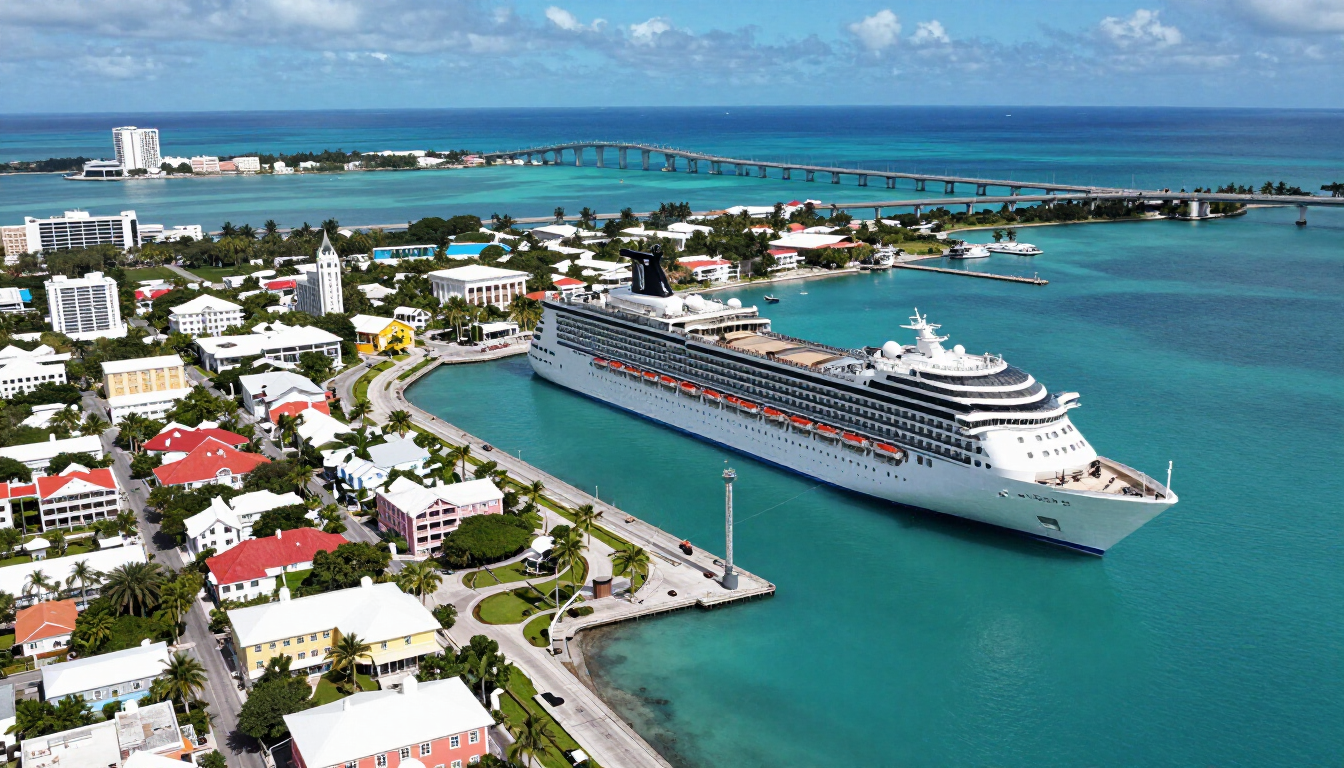
Nassau, Paradise Island, Exuma, and Andros — everything you need to plan a Bahamas cruise or resort vacation
The Bahamas is the closest island escape to Florida and one of the most flexible destinations we book — a two-hour flight or a three-night cruise gets you to turquoise water, and the island chain offers everything from a bustling Nassau cruise stop to a barefoot, off-grid week in the Out Islands. This guide covers the whole picture: when to go, how to get there, where to stay, what to do, and what it actually costs.
Overview: Why Visit the Bahamas
The Bahamas is a 700-island archipelago just off the Florida coast, prized for shallow turquoise water, a short flight or cruise time, and English as the official language. December through April brings the driest, warmest weather and the lowest hurricane risk, while June through November carries a higher chance of afternoon storms and tropical systems. Average highs run from the low 80s°F in winter to the upper 80s°F in summer, with water temperatures comfortable for swimming nearly year-round.
Getting There: Flights, Cruise Ports & Transportation
Nassau (Lynden Pindling International Airport) and Freeport receive frequent direct flights from most East Coast U.S. cities in under three hours, and Miami, Fort Lauderdale, and Port Canaveral all offer short 3–4 night cruises to Nassau and the cruise lines' private islands. Taxis and resort shuttles handle most on-island transportation; a rental car is rarely necessary unless you plan to explore beyond the main tourist areas.
Top Attractions
Best Beaches & Water Activities
Dining & Restaurants
Bahamian cuisine centers on fresh conch (cracked conch, conch salad, conch fritters), grilled fish, peas and rice, and rum-based cocktails. Nassau's Fish Fry at Arawak Cay is the local favorite for casual, affordable seafood, while Paradise Island resorts run everything from celebrity-chef fine dining to poolside grills.
Resorts & Accommodations
Cruise Ports in the Bahamas
Nassau is the busiest cruise port, docking directly downtown near the Straw Market and Bay Street shopping. Freeport on Grand Bahama offers a quieter port day with easy beach access. Several cruise lines also operate private-island stops — Perfect Day at CocoCay (Royal Caribbean), Half Moon Cay (Holland America/Carnival), and Ocean Cay MSC Marine Reserve (MSC) — each a dedicated beach day built into the itinerary. See our <a href="/blog/ocean-cay-msc-marine-reserve-guide" class="text-gold hover:text-gold/80 underline underline-offset-2 transition-colors">Ocean Cay guide</a> for a deep dive into one of these private islands.
Excursions
Safety & Travel Tips
The Bahamas sees millions of visitors annually and maintains a strong safety record within tourist areas. Use licensed taxis or resort transportation, keep valuables secured, and purchase travel insurance for hurricane-season trips (June–November) in case of itinerary changes.
Budget Guide
A 3–4 night Bahamas cruise typically runs $800–$2,000 per person including port taxes, while an all-inclusive resort stay in Nassau runs $250–$600 per person per night. Money-saving tips: travel in shoulder season (May or November), book Nassau excursions independently rather than through the ship for popular activities like the Fish Fry, and use the Bahamian dollar's 1:1 peg with USD to skip currency exchange fees entirely.