Alaska Cruise Guide: Best Time, Ports & Excursions
Glaciers, wildlife, and the ports that make an Alaska cruise unlike any other itinerary
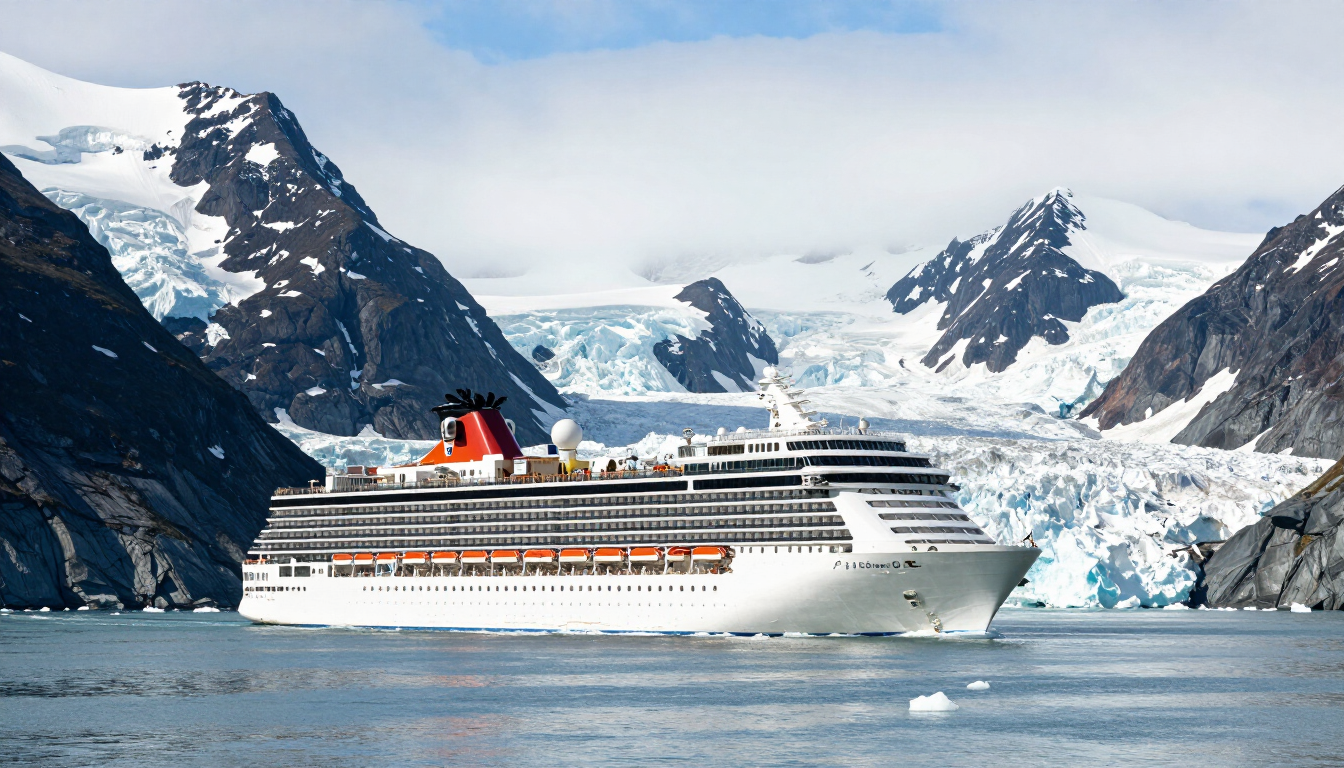
Glaciers, wildlife, and the ports that make an Alaska cruise unlike any other itinerary
An Alaska cruise trades turquoise water and pool decks for glaciers, fjords, and wildlife encounters you genuinely cannot get elsewhere. It is also one of the more seasonal, logistically specific cruise regions — the right ship, the right itinerary, and the right timing matter more here than almost anywhere else we book. Here is what first-time Alaska cruisers need to know.
Best Time to Cruise Alaska
The Alaska cruise season runs May through September. June through August is peak season with the warmest weather, longest daylight, and best glacier and wildlife viewing, but also the highest prices and biggest crowds. May and September offer noticeably lower fares and fewer crowds, with cooler and slightly less predictable weather — a trade-off many of our repeat Alaska clients happily make.
Popular Alaska Cruise Ports
Top Excursions
What Wildlife You Might See
Humpback whales, orcas, sea otters, bald eagles, and both black and brown bears are commonly spotted on an Alaska itinerary, particularly on small-boat excursions and during scenic cruising days through Glacier Bay or Tracy Arm Fjord.
What to Pack for Alaska
Layering is everything — bring a waterproof jacket, a warm mid-layer, and comfortable waterproof walking shoes, even in July. Evenings on deck can be cold regardless of the daytime temperature. Our <a href="/cruise-packing-builder" class="text-gold hover:text-gold/80 underline underline-offset-2 transition-colors">Cruise Packing Builder</a> generates a climate-specific list for Alaska sailings.
Choosing a Cruise Line for Alaska
Princess and Holland America have the deepest Alaska heritage and the most port and land-tour infrastructure in the region. Royal Caribbean and Celebrity offer strong Alaska itineraries with a more modern ship experience. We match the line to whether you want a classic, naturalist-focused sailing or a livelier onboard atmosphere.