Why Cruise Alaska? Wildlife, Glaciers, and Unforgettable Experiences
Everything you need to know to plan the perfect Alaska cruise — the best ports, excursions, wildlife-viewing tips, packing list, and the honest truth about timing
Everything you need to know to plan the perfect Alaska cruise — the best ports, excursions, wildlife-viewing tips, packing list, and the honest truth about timing
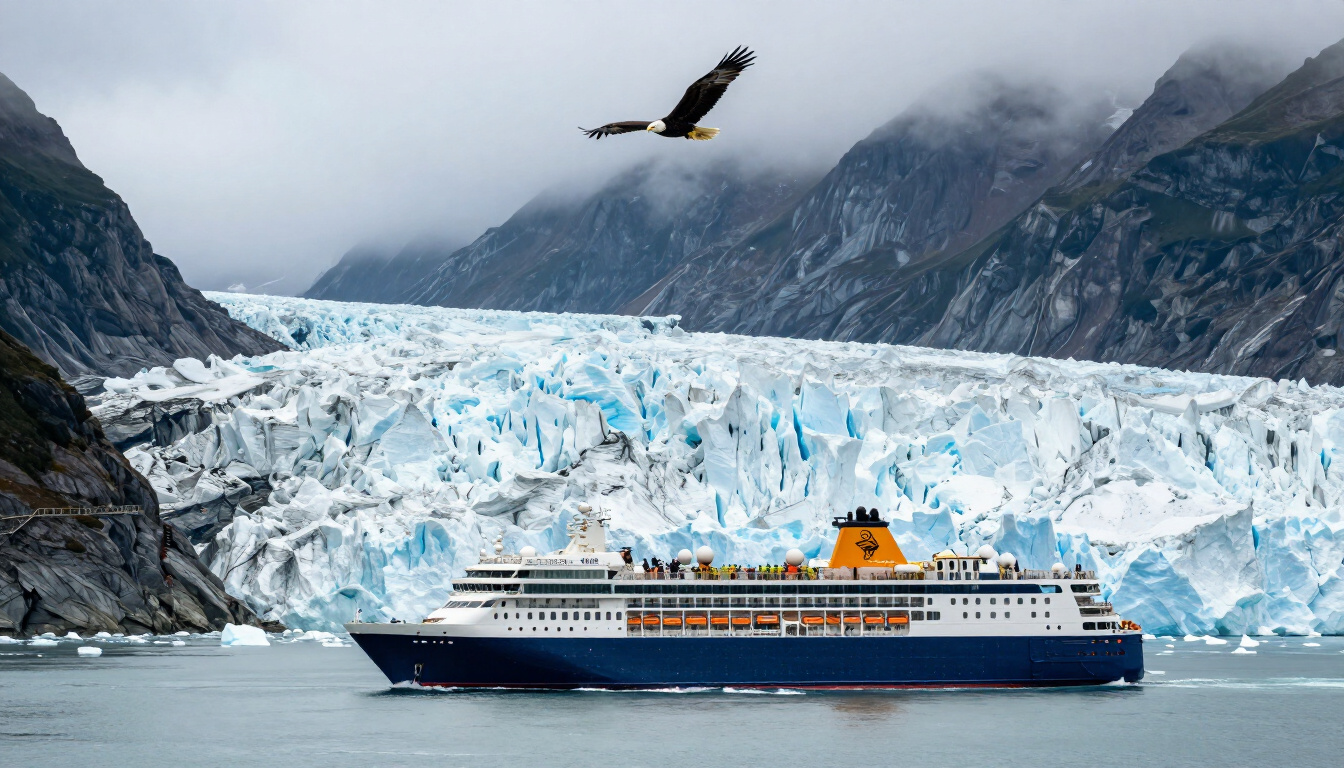
After 80+ personal cruises and years of planning cruises, I've never had a client come back from Alaska and say it was anything less than life-changing. The scale is difficult to communicate — glaciers the size of cities, humpback whales breaching 50 feet from the ship, bald eagles overhead, grizzly bears along the shoreline, and the particular, impossible silence that settles over Glacier Bay when the engines slow and the ship drifts. No Caribbean beach, no Mediterranean port, nothing we've experienced prepares you for Alaska. This guide covers everything you need to know to plan it properly.
When to Go: Alaska Cruise Season
Alaska cruise season runs May through September. Each month has its own character, and choosing the right timing is one of the most important decisions in planning an Alaska cruise.
Our general recommendation: June and early July offer the best overall combination of weather, wildlife activity, daylight hours (Alaska's midsummer brings 18+ hours of light), and a manageable crowd level. If bear viewing at salmon streams is the priority, late August and September are outstanding. If budget is the primary constraint, May and September offer the lowest fares of the season.
Alaska Cruise Routes: Inside Passage vs. Gulf of Alaska
There are two primary route types for Alaska cruises: round-trip sailings from Seattle or Vancouver that traverse the Inside Passage and return to the same port, and one-way sailings (northbound or southbound) between Vancouver/Seattle and Seward/Whittier (the port for Anchorage). The one-way sailings include more ports and different scenery, but require positioning yourself with a flight at one end.
The Inside Passage is the protected waterway running along the Alaska and British Columbia coastline — calmer waters, forested fjords, and the concentration of glacier and wildlife viewing that defines the Alaska cruise experience. Gulf of Alaska crossings are open-ocean days with more motion, but they connect to Seward/Whittier, allowing pre- or post-cruise exploration of Anchorage, Denali, and interior Alaska.
Best Alaska Cruise Ports
Juneau is Alaska's capital city and the most popular Alaska cruise port, with good reason. The combination of activities — glacier hiking, whale watching, helicopter adventures, and a walkable downtown — makes it one of the best port days on any Alaska itinerary. It's also the only state capital in the United States inaccessible by road, which adds to its remote character.
Ketchikan is often the first Alaska port on a northbound sailing and it sets the tone perfectly — lush rainforest, colorful Creek Street (the historic red-light district built on stilts above a salmon stream), world-class totem pole collections, and outstanding wildlife viewing. It's the most forested-feeling of the Alaska ports, and the fishing here — for halibut, salmon, and Dungeness crab — is world-class.
Sitka is the most historically and culturally distinctive of the Alaska cruise ports — the former capital of Russian America, with an onion-domed cathedral, strong Tlingit cultural heritage, and some of the best wildlife viewing of any Alaska port. It's also one of the most beautiful small towns on earth, flanked by volcanic peaks and surrounded by ocean.
Glacier Bay is not a port where you disembark — it's a scenic cruising day where the ship navigates into a UNESCO World Heritage Site and National Park to drift among glaciers. A National Park Ranger comes aboard and narrates the day as the ship approaches the tidewater glaciers, and if conditions and timing align, you may witness calving — when enormous sections of the glacier face collapse into the water with a crack like thunder followed by rolling waves. It is one of the most profound experiences I've had at sea.
Glacier Bay access is regulated by the National Park Service, and not every Alaska cruise includes it. Ships with access include it as a highlight; verify your itinerary includes Glacier Bay specifically if this is important to you.
Skagway is a perfectly preserved Gold Rush boomtown, and the experience of walking its wooden-boardwalk main street surrounded by late 1800s buildings is genuinely evocative. The White Pass & Yukon Route railroad — a narrow-gauge railway that climbs 2,900 feet through mountain passes — is one of the best train excursions in North America and a highlight of any Alaska cruise itinerary.
Seward and Whittier are embarkation/disembarkation ports for one-way Gulf of Alaska cruises, not traditional port days. But they're gateways to some of Alaska's most extraordinary experiences: Kenai Fjords National Park (boat tours past glaciers, orcas, puffins, and sea otters from Seward), Denali National Park (a day trip or multi-day extension from Anchorage), and the Kenai Peninsula. If you're doing a one-way Alaska cruise, build in at least 2–3 extra days at the Anchorage end to explore.
Wildlife Viewing in Alaska
Alaska wildlife viewing from a cruise ship is a different experience from a safari or a zoo visit — it's wild, unexpected, and sometimes heartbreaking in its beauty. Here's what to know to maximize it.
Bring binoculars. A 10×42 pair is the most useful single piece of Alaska cruise gear you can own. The wildlife may be close or it may be 400 yards away, and the difference in experience between watching a humpback breach at 300 yards with naked eyes versus binoculars is enormous.
What to Pack for an Alaska Cruise
Which Cruise Lines Are Best for Alaska?
Several cruise lines operate Alaska sailings, each with different strengths. Holland America has been sailing Alaska longer than almost anyone and maintains strong naturalist programming. Princess has a well-developed Alaska land package network for extending into Denali and the interior. Norwegian offers smaller-ship options with flexible dining that works well for Alaska's varied port schedules. Royal Caribbean brings the large-ship amenities families love. For a more intimate Alaska experience, specialty small-ship lines like Uncruise Adventures or Lindblad National Geographic operate true expedition-style voyages with kayaking, skiff excursions, and a naturalist focus.
Budget Tips for Alaska Cruises
Alaska cruises are typically priced higher than Caribbean sailings of the same length — the demand is high, the season is short, and the logistics of operating in Alaska are more complex. Here's how to get the best value:
Family Considerations for Alaska Cruises
Alaska is exceptional for families with children old enough to appreciate it — roughly 8 and up. Younger children can certainly enjoy the ship and some port activities, but the glacier and wildlife experiences are genuinely better absorbed by older kids who can sit quietly and watch. The educational component is extraordinary: a week in Alaska teaches children more about geology, ecology, and Indigenous culture than most school semesters.
Practical note: most Alaska cruise excursions have minimum age requirements (helicopter tours typically require 2 years old minimum; whale watching tours work for all ages). Check requirements for any excursion you're planning before booking if you're traveling with young children.